How to Avoid Used Car Scams When Buying Privately in the UK
Buying a used car from a private seller is a brilliant way to save money, but because large sums of cash move between individuals, it naturally attracts fraudsters. In recent years, car scams have evolved from simple mechanical cover-ups to highly sophisticated digital fraud.
Fortunately, scammers are predictable. They rely entirely on rushing your decisions, hiding the vehicle’s true identity, or manipulating the payment process.
If you encounter any of the following four red flags during your search, step back and walk away from the deal immediately.
1. The “Vehicle Cloning” Trap
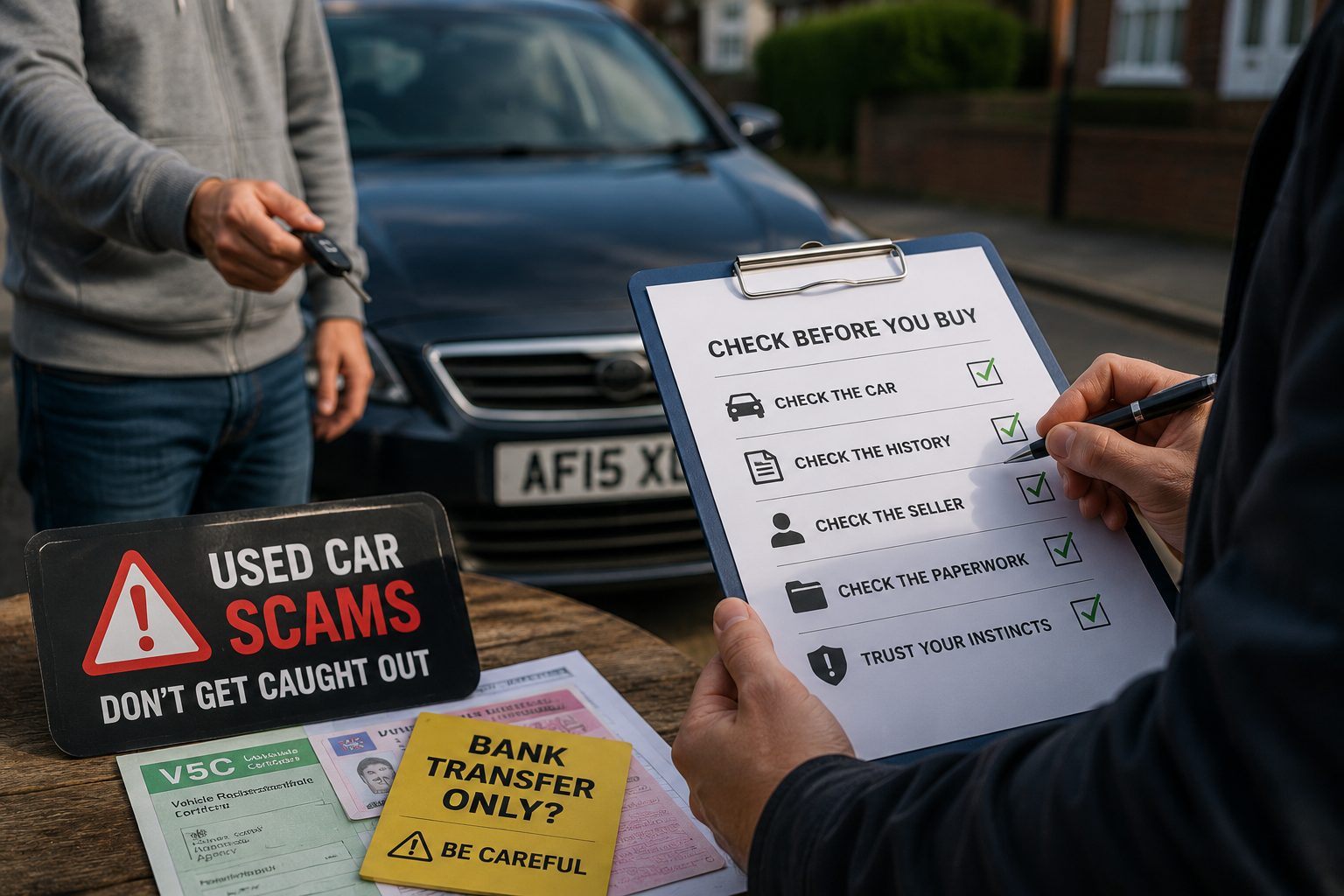
Vehicle cloning is the automotive equivalent of identity theft. A scammer takes a stolen or severely damaged car, finds an identical legitimate car online (same make, model, and colour), and replicates its registration plates. They may even go as far as printing a fake V5C logbook with the stolen identity.
How to spot it: Always perform an independent vehicle history check (like HPI or Experian) before meeting. Crucially, match the physical 17-digit VIN (Vehicle Identification Number) stamped at the base of the windscreen and under the bonnet to the number printed on the physical logbook. If the seller makes an excuse as to why you cannot look at the VIN, leave immediately.
The Driveway Rule: Never view a car in a neutral location like a service station or a supermarket car park. Always view it at the residential address listed on the front of the V5C logbook.
2. The Upfront Deposit Scam
This is the most common scam targeting internet buyers. A highly desirable car (often a popular hatchback or clean SUV) is listed significantly below its actual market value to create a frantic sense of urgency.
How to spot it: The seller will claim they have “massive interest” and five other buyers on the way. They will ask you to transfer a holding deposit of £200 to £500 via bank transfer to “secure” the car before you’ve even seen it in person. Once you transfer the money, the phone number is disconnected, the listing vanishes, and the car turns out to never have existed.
The Rule: Never pay a single penny for a car sight-unseen. A genuine seller will always let you view and inspect the car before discussing deposits or final payments.
3. Fake Bank Transfers (Warning for Sellers)
If you are selling your car privately, you are vulnerable to payment fraud during the driveway handover.
How to spot it: A buyer will look at your car and agree to purchase it instantly without negotiating. They will take out their phone, pretend to set up a bank transfer, and show you a screen or app that says “Transfer Successful.” They might even have a fake confirmation email ready to show you. They will then try to take the keys and drive away, claiming “faster payments can sometimes take an hour to clear.”
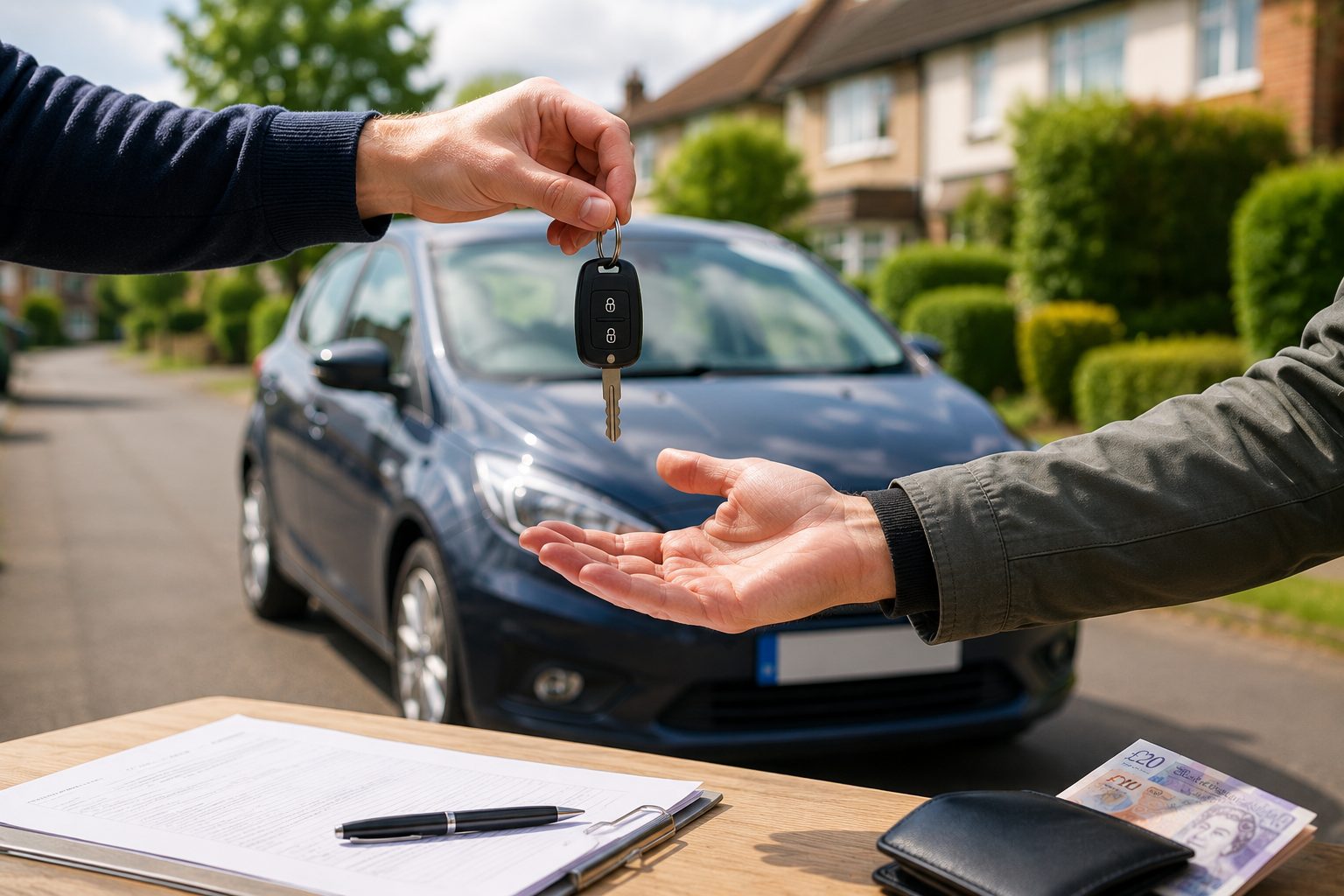
The Rule: The keys do not leave your hands until the cash is visible in your own bank app. Never rely on a screenshot or a notification on the buyer’s phone. Log into your own mobile banking app and verify that the balance has updated before handing over the V5C green slip and the keys.
4. The 2026 Car Finance Claims Phishing Scam
With the UK’s ongoing mis-sold car finance scandal dominating headlines, a massive wave of digital phishing scams has targeted private car buyers and sellers.
How to spot it: You may receive text messages or emails claiming to be from a claims management company or a lender, stating that the vehicle you are buying or selling is eligible for an instant car finance compensation payout (often quoting random figures like £2,487). These messages contain links leading to fake portals designed to steal your bank details, driving licence, and personal ID.
The Rule: Genuine Financial Conduct Authority (FCA) compensation processes are strictly managed through authorized companies and direct contact with lenders. Delete these text alerts immediately and never enter your personal information into unverified links.
Summary: The Secure Handover Routine
To keep your private transaction entirely safe, execute the final steps of the sale in a strict, unhurried sequence:
Looking for a safe place to trade? Our dedicated automotive marketplace protects individual sellers and private buyers by eliminating dealership margins while providing clear, straightforward private listings. [List Your Car Privately Today]