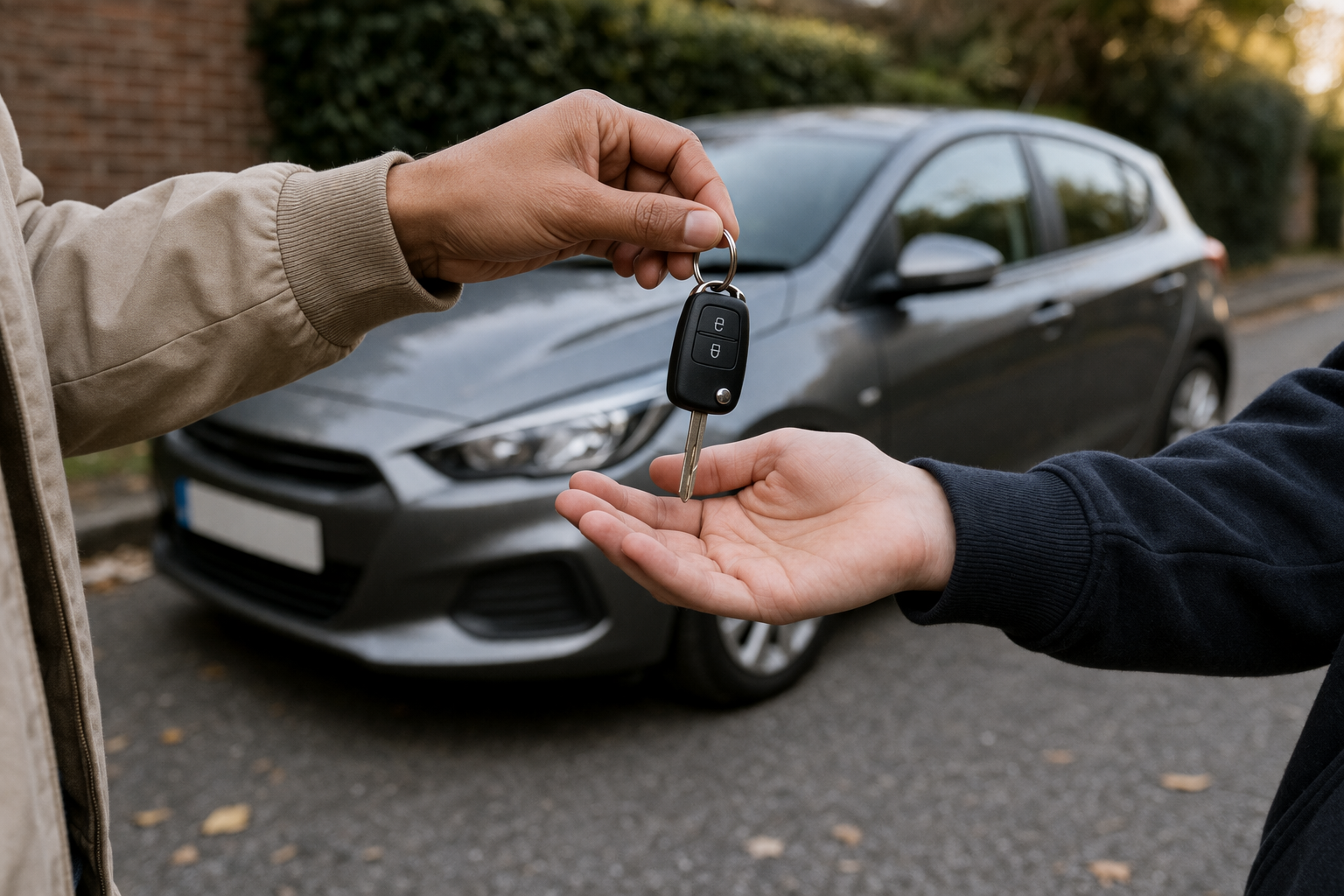
How to Sell Your Car Privately (and Stay Safe While Doing It)
Selling your car privately can be one of the best ways to maximise its value. Unlike part-exchange or instant-buy services, private sales often allow you to set your own price and negotiate directly with buyers.
However, with higher returns comes greater responsibility—especially when it comes to safety, scams, and managing enquiries.
In this guide, we’ll walk you through how to sell your car privately, what to watch out for, and how to protect yourself throughout the process.
Why Sell Your Car Privately?
Selling privately is popular for a few key reasons:
- Higher sale price – You’re not selling to a dealer who needs margin
- More control – You set the price and choose the buyer
- Flexibility – Sell on your timeline
But it’s not without risks. Private sellers are often targeted by scammers, time-wasters, and unsafe buyers—so preparation is key.
Step 1: Prepare Your Car for Sale
Before listing your vehicle:
- Clean it thoroughly (inside and out)
- Fix minor issues (lights, tyres, fluids)
- Gather documents:
- V5C logbook
- MOT certificate
- Service history
- Receipts for work done
Buyers are far more confident when they can see a well-documented and cared-for car.
Step 2: Set the Right Price
Research similar vehicles using:
- Mileage
- Condition
- Service history
- Optional extras
Pricing slightly above your minimum gives room for negotiation, but avoid overpricing—it reduces enquiries and can attract low-quality buyers.
Step 3: Create a Strong Listing
A good listing improves both visibility and trust.
Include:
- Clear, high-quality photos (all angles + interior + engine)
- Honest description (condition, faults, ownership history)
- Key details:
- Mileage
- MOT expiry
- Service history
- Number of owners
Tip for trust:
Platforms that include vehicle history data within the listing can help buyers feel more confident and reduce repetitive questions.
Step 4: Stay Safe When Communicating
This is where many sellers get caught out.
Common risks:
- Buyers asking to move conversations off-platform quickly
- Fake payment confirmations
- Phishing links or “verification” scams
How to protect yourself:
- Keep all communication on-platform
- Avoid sharing personal contact details early
- Be cautious of buyers who rush or pressure you
Some modern marketplaces help reduce risk by:
- Monitoring messages for suspicious behaviour
- Flagging or blocking known scam patterns
This adds an extra layer of protection—especially for first-time sellers.
Step 5: Spot Common Car Selling Scams
Here are some of the most common scams to watch for:
1. Overpayment Scam
Buyer “accidentally” sends too much and asks for a refund.
👉 Avoid: Never send money back.
2. Fake Escrow Services
Fraudsters suggest using a fake “secure payment” platform.
👉 Avoid: Only use trusted, recognised payment methods.
3. Courier Collection Scam
Buyer claims they’ll send a courier after paying.
👉 Avoid: Don’t release the car until funds are fully cleared.
4. Phishing Messages
Links asking you to “verify” your listing or payment.
👉 Avoid: Don’t click unknown links.
Step 6: Arrange Safe Viewings
When meeting a buyer:
- Choose a public place or have someone with you
- Never hand over keys unsupervised
- Check driving licence before test drives
- Ensure you’re insured for test drives
Trust your instincts—if something feels off, walk away.
Step 7: Secure Payment
Safest payment methods:
- Bank transfer (confirm funds cleared before releasing car)
- Cash (only if you’re confident and can verify it)
Avoid:
- PayPal (can be reversed)
- Cheques (can bounce)
- Screenshots of payments (not proof)
Step 8: Complete the Sale Properly
- Fill out the V5C logbook (online is fastest)
- Provide a receipt (signed by both parties)
- Notify DVLA immediately
This protects you from future fines or liability.
How Platforms Can Help Reduce Risk
Selling privately doesn’t have to mean doing everything alone.
Some newer car marketplaces are designed to make private selling safer and more transparent by:
- Providing full vehicle history data with each listing
- Keeping all buyer communication within the platform
- Using systems to monitor messages for potential scams
- Creating a more structured, secure environment for both buyers and sellers
These features don’t remove all risk—but they can significantly reduce it.
Final Thoughts
Selling your car privately can be rewarding—but only if you approach it carefully.
To stay safe:
- Be transparent in your listing
- Keep communication secure
- Watch for common scams
- Never rush a deal
With the right preparation and tools, you can sell confidently while protecting both your money and your personal safety.